Fish the moving water, not the turn. Most inshore species feed hardest during the middle two hours of a flood or ebb, when flow is fastest, and go quiet at slack water. As a rule of thumb the tide moves about half its total range in the middle two hours of a six-hour cycle, which is the rule of twelfths.
A tide table looks like a list of times and numbers, and most people use only the first column. The rest of it tells you when the water will be moving, how hard, and therefore when the fish will eat.
What the numbers mean
A standard tide table gives you, for each day, the times of high and low water and the height of each in meters or feet above chart datum. Two things follow from that.
Range is the difference between a high and the low next to it. A 4.8 m high followed by a 0.6 m low is a 4.2 m range. Range is the single most useful figure in the table, because it tells you how much water has to move and therefore how fast the current will run.
Chart datum is the reference level, normally the lowest astronomical tide. So a 0.4 m low is genuinely low, and a 0.2 m low is exceptional. Heights are not depths: a 1.2 m tide over a mark that dries at low water is 1.2 m of water, but over a channel that is 3 m deep at datum it is 4.2 m.
Most coasts are semidiurnal: two highs and two lows a day, roughly 6 hours 12 minutes apart, with everything sliding about 50 minutes later each day. Parts of the Gulf of Mexico and much of Southeast Asia are diurnal, with one cycle a day. Some places are mixed, with two unequal highs. Check which you have before assuming the pattern.
Spring and neap
The moon and sun pull together at new and full moon, producing spring tides: the largest ranges and the fastest flow. At the first and last quarter they pull at right angles, producing neap tides: the smallest ranges and the slowest flow. The cycle takes about two weeks to go from one to the other.
Springs follow the new or full moon by a day or two, not the same day, because the ocean takes time to respond.
For fishing this is the practical difference:
- Springs move more water, stir more food, and produce shorter, sharper feeding windows. Good for species that hunt in current. Can be too much in a narrow estuary.
- Neaps move less water and give longer, gentler windows. Often better for clear-water marks and for anything you want to fish delicately.
The rule of twelfths
The tide does not rise at a steady rate. It follows something close to a sine curve, slow at the turns and fast in the middle. The rule of twelfths splits a six-hour cycle by the fraction of the total range that moves in each hour:
| Hour of tide | Fraction of range | Flow |
|---|---|---|
| 1st | 1/12 | Slow, just off slack |
| 2nd | 2/12 | Building |
| 3rd | 3/12 | Fastest |
| 4th | 3/12 | Fastest |
| 5th | 2/12 | Easing |
| 6th | 1/12 | Slow, approaching slack |
Half the water moves in the middle two hours. On a 4 m range that is 2 m of water in two hours, and it is the period when current is strongest, bait is most disturbed and predators are most active.
This is the most useful single thing in a tide table. Work back from the tide time to find the middle two hours, and be fishing then.
The rule assumes a clean six-hour semidiurnal cycle, so treat it as an approximation. It works well on open coast and gets less accurate in estuaries and shallow bays where the shape of the bottom distorts the curve.
Which stage to fish
There is no universal answer, because it depends on the mark, but there are dependable patterns.
Flooding tide covers ground that was dry, and that new ground is where crabs, worms and shrimp have been sitting. Predators move in with the water, often surprisingly shallow. On beaches and flats, the first two hours of a decent flood over ground that dried is one of the best windows there is.
Ebbing tide pulls everything off the flats and marsh and funnels it through creeks and channels. Predators sit at the mouth and wait. In estuaries the ebb is usually the stronger option because it concentrates food into a predictable place.
Slack water is the quiet one. There is a period around each turn where flow stops, bait stops moving and most predators stop hunting. It is the right time to move marks, eat lunch, or re-rig.
High water on a rock mark is often the only time it is safe or productive to fish it. That is a geometry question about your specific mark rather than a rule.
Wind against tide
When wind blows against the direction of the tidal flow, the water stands up into a short steep chop. It is uncomfortable and can be dangerous in a small boat, but it also creates defined seams and lines where food collects. Wind with the tide flattens things and spreads the flow out.
If you are fishing an estuary mouth, a wind-against-tide seam is usually worth finding. See wind and fishing.
A safety point that is not optional
On a big-range coast a flooding spring tide can move faster than walking pace across flat sand, and it fills channels behind you before it reaches you. People are cut off on sandbars and rock ledges every year.
Before you fish a mark you do not know: check the range for that day, work out when the water reaches your exit route rather than when it reaches you, and set an alarm. A 6 m range coast is a different proposition from a 1 m range coast, and the tide table is what tells you which one you are standing on.
Common questions
What is the best tide for fishing from shore?
The middle two hours of either the flood or the ebb, when flow is fastest. Beyond that it depends on the mark: beaches and flats usually fish best on a flood that covers ground that had dried out, and estuaries usually fish best on the ebb, which funnels food out through channels.
Is it better to fish a rising or falling tide?
Both produce, and moving water matters more than direction. Rising tide pushes predators onto newly covered ground and works well on shallow beaches and flats. Falling tide drains bait out of marshes and creeks into channels, which suits estuaries and river mouths.
What is the rule of twelfths?
A way of estimating how much the tide moves in each hour of a six-hour cycle: one twelfth of the range in the first hour, then two, three, three, two and one. Half the total movement happens in the middle two hours, which is when current is fastest and fishing is usually best.
Do fish bite at slack tide?
Generally much less. With no flow, bait is not being moved or concentrated and ambush predators have nothing to sit behind. There are exceptions, notably some bottom species and marks where slack is the only time you can present a bait properly, but as a default, slack water is the time to move rather than to fish.
How do spring and neap tides affect fishing?
Spring tides at new and full moon give the largest range and fastest flow, which stirs up more food and produces short intense feeding windows. Neap tides at the quarter moons move less water, giving gentler and longer windows that suit clear water and finer presentations.
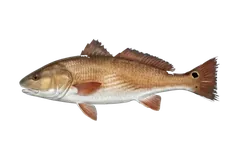 Redfish
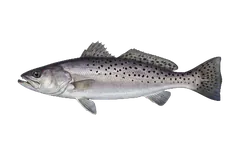 Speckled trout
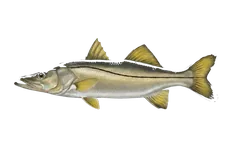 Snook
Snook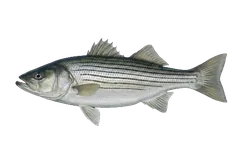 Striped bass
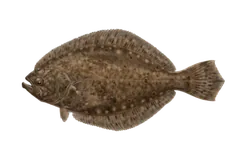 Summer flounder
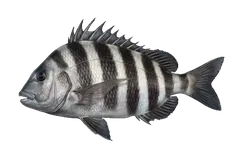 Sheepshead