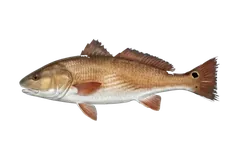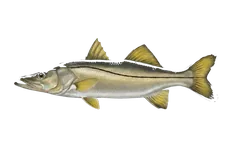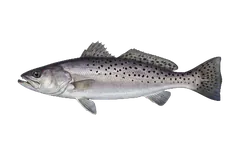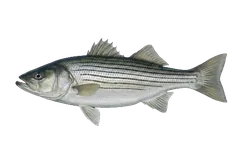
- Best water temperature
- 79°F26°C
- Active range
- 70 to 90°F21 to 32°C
- Feeds most
- Daytime
- Typical size
- 16 in40 cm
- Big ones reach
- 36 in21 lb
- Water
- SaltwaterStructure nibbler
Sheepshead feed hardest in water around 79°F (26°C) and stay active from about 70 to 90°F. They are daytime feeders: activity builds through the morning and holds through the brighter hours. Start with a whole crab, a whole mussel, a whole sand flea.
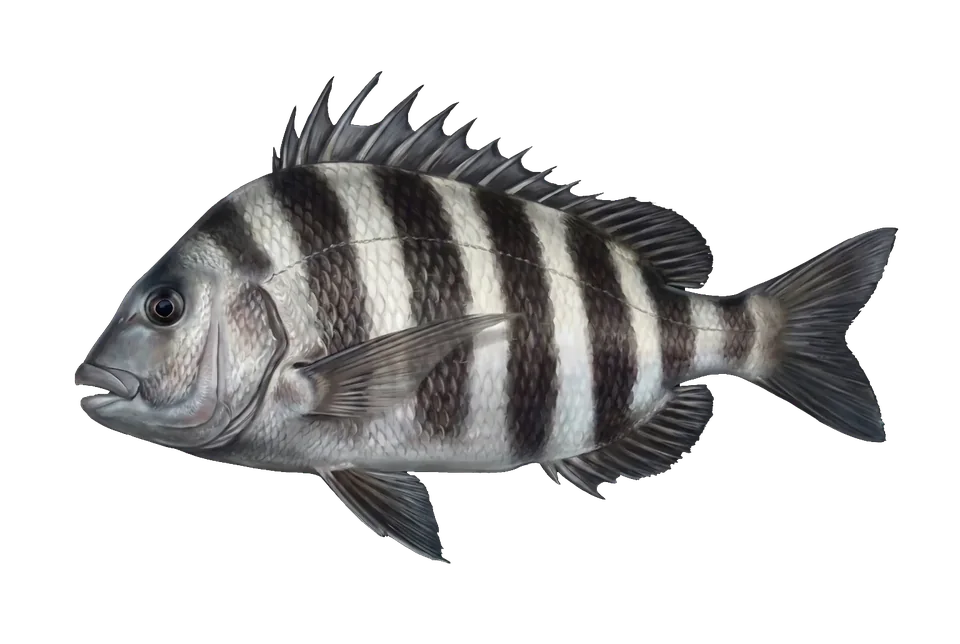
The sheepshead is a black-and-white striped porgy of the Atlantic and Gulf coasts, known for its human-like teeth, which it uses to crush barnacles, crabs and shellfish off pilings and rocks. It is a notorious bait thief and excellent to eat.
Sheepshead water temperature
Sheepshead feed best at 79°F (26°C), active from about 70 to 90°F (21 to 32°C). That band comes from the same species model BiteCast scores with, and it is why the Fish Score for sheepshead rises and falls with the water rather than the air.
Sheepshead tolerate a wide range of water temperatures. In late winter and spring they gather in numbers around nearshore reefs, jetties and bridges to spawn, which makes them one of the best-known cool-season targets on the Gulf and South Atlantic.
For a side-by-side view of every species, see the full water temperature table or the guide to reading water temperature.
When sheepshead bite
Sheepshead are daytime feeders, grazing structure through the day. Moving tide helps, but they feed on slack water too.
Where to find sheepshead
Around pilings, jetties, docks and reefs of the US Gulf and Atlantic coasts.
Anything hard with growth on it: bridge and dock pilings, jetty rocks, seawalls, oyster bars, wrecks and nearshore reefs.
Best baits and lures for sheepshead
Ranked from BiteCast's bait data, with the colors to throw as the water gets dirtier. Natural baits show how to rig them instead of a color.
| # | Bait | Clear water | Stained | Muddy |
|---|---|---|---|---|
| 1 | Live CrabNatural bait | Rig: Whole crab | ||
| 2 | ShellfishNatural bait | Rig: Whole mussel | ||
| 3 | Sand FleaNatural bait | Rig: Whole sand flea | ||
| 4 | Raw ShrimpNatural bait | Rig: Peeled tail | ||
Fiddler crabs, pieces of blue crab, barnacles, clams and live shrimp on a small, strong hook fished tight to the structure. Their bite is a light crunch: feel for weight and set the hook fast.
What sheepshead eat
In the wild sheepshead eat barnacles, fiddler crabs, blue crabs, oysters, clams, shrimp. Matching the size and color of that forage is the single most reliable way to pick a bait.
About the sheepshead
A deep-bodied silver fish with five to seven dark vertical bars and human-like incisor and molar teeth used to crush shells.
It lives along the western Atlantic from Nova Scotia to Brazil, including the Gulf of Mexico, around oyster bars, pilings, jetties, and reefs.
It is a structure-oriented feeder that uses its strong teeth to scrape and crush barnacles, crabs, and other hard-shelled invertebrates.
It is known for a subtle, light bite that makes detecting strikes difficult, and most fish caught run two to eight pounds with rare specimens exceeding fifteen.
Found in: United States, Brazil, Mexico, Puerto Rico.
Common questions
What water temperature do sheepshead bite best in?
Sheepshead feed hardest around 79°F (26°C) and stay active from about 70 to 90°F (21 to 32°C). Below the band they slow down and feed less often; above it, warm water holds less oxygen and they go deeper or feed at night.
What time of day do sheepshead bite?
Sheepshead are daytime feeders: activity builds through the morning and holds through the brighter hours. Cloud cover, stained water and wind chop stretch the low-light window through more of the day.
What is the best bait for sheepshead?
In BiteCast's bait rankings the top picks for sheepshead are live crab, shellfish, sand flea.