- Best water temperature
- 77°F25°C
- Active range
- 66 to 88°F19 to 31°C
- Feeds most
- Dawn and duskLow light
- Typical size
- 14 in35 cm
- Big ones reach
- 25 in10 lb
- Water
- FreshwaterStructure hugger
Spotted bass feed hardest in water around 77°F (25°C) and stay active from about 66 to 88°F. They feed hardest in low light, around dawn and dusk, with a lull in the middle of a bright day. Start with a plastic worm in green pumpkin, a tube jig in goby tan, a skirted jig in green pumpkin.
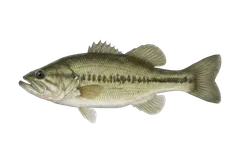
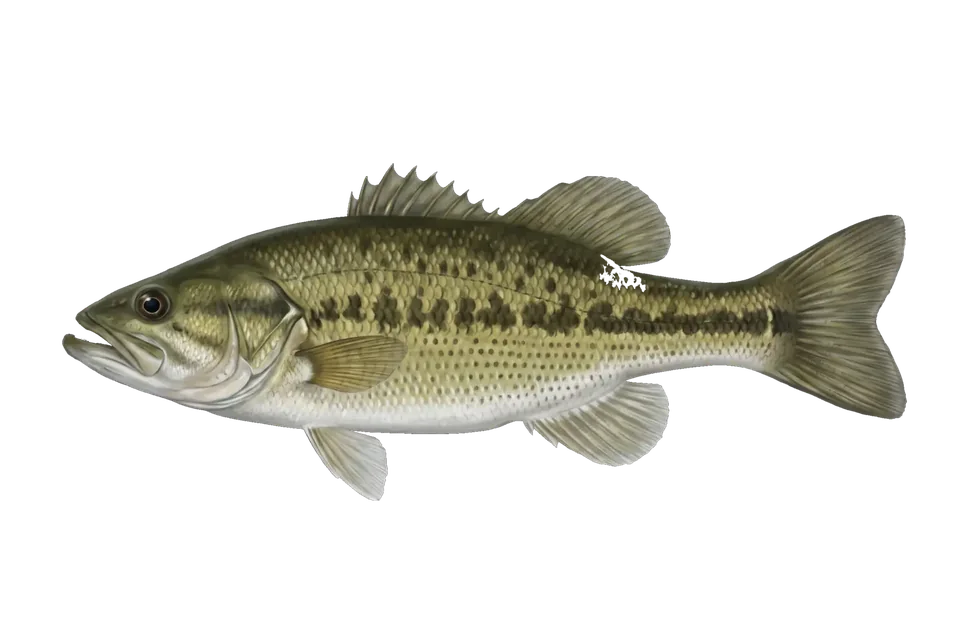
Spotted bass, or "spots," are the bass of the clear, rocky reservoirs of the South and the Ohio and Mississippi drainages. They look like a largemouth at first glance but school more, hold deeper, and fight above their weight.
Spotted bass water temperature
Spotted bass feed best at 77°F (25°C), active from about 66 to 88°F (19 to 31°C). That band comes from the same species model BiteCast scores with, and it is why the Fish Score for spotted bass rises and falls with the water rather than the air.
Spots tolerate cooler water than largemouth in the same lake and are often the most active bass there in winter, holding deep on bluffs and channel swings.
For a side-by-side view of every species, see the full water temperature table or the guide to reading water temperature.
When spotted bass bite
Low light brings them up, and schools of spots will chase shad on the surface at dawn and dusk. Through the day they drop back to deeper rock and timber and feed in bursts, often when wind or current pushes bait onto a point.
Where to find spotted bass
Clear, rocky reservoirs and streams with current across the central and southern United States.
Rocky main-lake points, bluff walls, humps and brush piles in 15 to 35 feet of water. They relate to depth changes and baitfish more than to shallow cover.
Best baits and lures for spotted bass
Ranked from BiteCast's bait data, with the colors to throw as the water gets dirtier. Natural baits show how to rig them instead of a color.
| # | Bait | Clear water | Stained | Muddy |
|---|---|---|---|---|
| 1 | Plastic WormSoft plastic | Green Pumpkin, Watermelon Seed, Smoke Purple | Junebug, Pumpkinseed, Cinnamon | Black & Blue, Solid Black, Red Shad |
| 2 | Tube JigSoft plastic | Goby Tan, Green Pumpkin, Pearl White | Pumpkinseed/Gold Flake, Smoke Red | Black & Blue, Solid White, High-Vis Glow/Chartreuse |
| 3 | Skirted JigSoft plastic | Green Pumpkin, Watermelon Red, Peanut Butter & Jelly | Black & Blue, Green Pumpkin Orange, Red Craw | Black & Blue, Solid Black, Chartreuse/Black |
| 4 | Soft StickbaitSoft plastic | Green Pumpkin, Watermelon Seed, Natural Blue | Junebug, Cinnamon Brown, Smoke Blue Flake | Black & Blue, Bubblegum Pink, Solid Black |
| 5 | Squarebill CrankbaitHard bait | Sexy Shad, Ghost Craw, Green Pumpkin Craw | Chartreuse/Black, Citrus Shad | Red Craw, Firetiger, Chartreuse/Blue |
| 6 | Bladed ChatterbaitMetal and blades | Green Pumpkin, Ghost Shad | White/Chartreuse, Bluegill | Black & Blue, Firetiger |
| 7 | Craw BaitSoft plastic | Green Pumpkin, Watermelon Red | Green Pumpkin Orange, Peanut Butter & Jelly, Motor Oil | Black & Blue, Solid Black, Dark Purple |
| 8 | Lipless CrankbaitHard bait | Chrome/Black, Silver Shad, Bluegill | Red Craw, Gold/Orange | Firetiger, Chartreuse, Solid White |
A shaky-head worm, a drop shot or a small tube on rock catches spots year round. When they are schooling, a small swimbait or a spoon thrown into the commotion works fast. To tell a spotted bass from a largemouth, close the mouth: on a spot the jaw ends before the back of the eye, and there is a rough tooth patch on the tongue.
What spotted bass eat
In the wild spotted bass eat crayfish, small fish and shad, aquatic insects, larvae, small frogs. Matching the size and color of that forage is the single most reliable way to pick a bait.
About the spotted bass
The spotted bass is a black bass with a dark lateral blotch line, rows of spots below it, and a small tooth patch on the tongue that separates it from the largemouth.
It favours clear, rocky reservoirs and flowing streams, often holding deeper and around current more than largemouth.
Pound for pound it is a hard, dogged fighter that pulls deep rather than jumping.
It responds well to finesse plastics and small jigs fished slowly along rock and structure.
Found in: United States, Mexico, South Africa.
Common questions
What water temperature do spotted bass bite best in?
Spotted bass feed hardest around 77°F (25°C) and stay active from about 66 to 88°F (19 to 31°C). Below the band they slow down and feed less often; above it, warm water holds less oxygen and they go deeper or feed at night.
What time of day do spotted bass bite?
Spotted bass feed hardest in low light, around dawn and dusk, with a lull in the middle of a bright day. Cloud cover, stained water and wind chop stretch the low-light window through more of the day.
What is the best bait for spotted bass?
In BiteCast's bait rankings the top picks for spotted bass are plastic worm, tube jig, skirted jig. In clear water go natural (green pumpkin, watermelon seed); in muddy water go dark or bright (black & blue, solid black).